
Bee Products
Bee products and their health benefits
Bee products – natural products created by bees, such as honey, bee bread, propolis, pollen, beeswax, and others. Scientific research shows that some bee products may exhibit antioxidant and antibacterial properties. Due to these properties, bee products have been used for centuries in nutrition and natural health care.
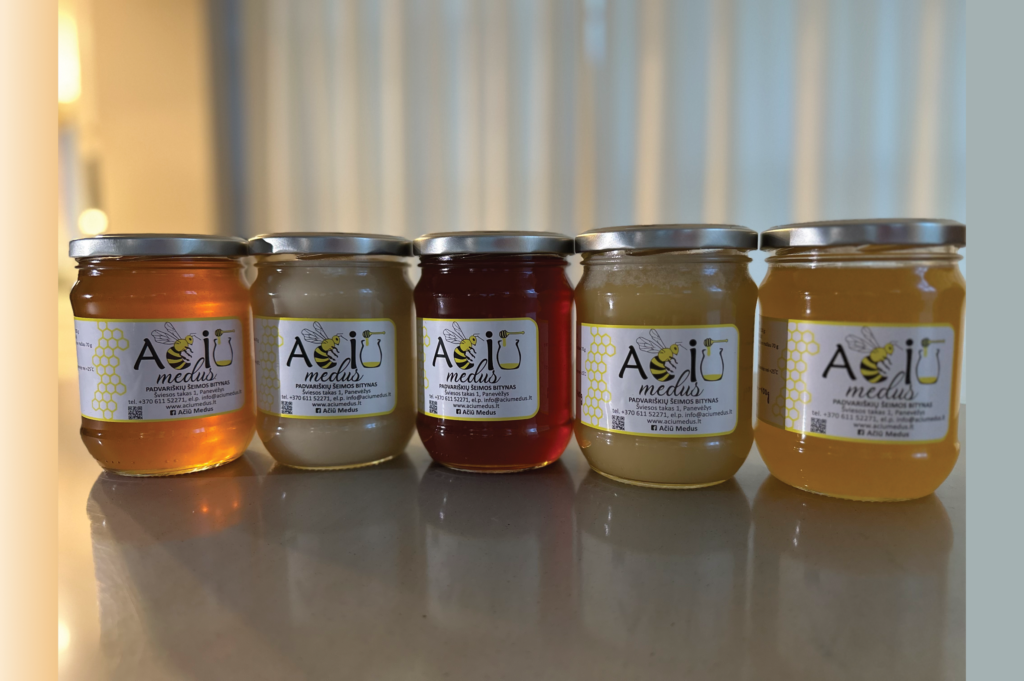
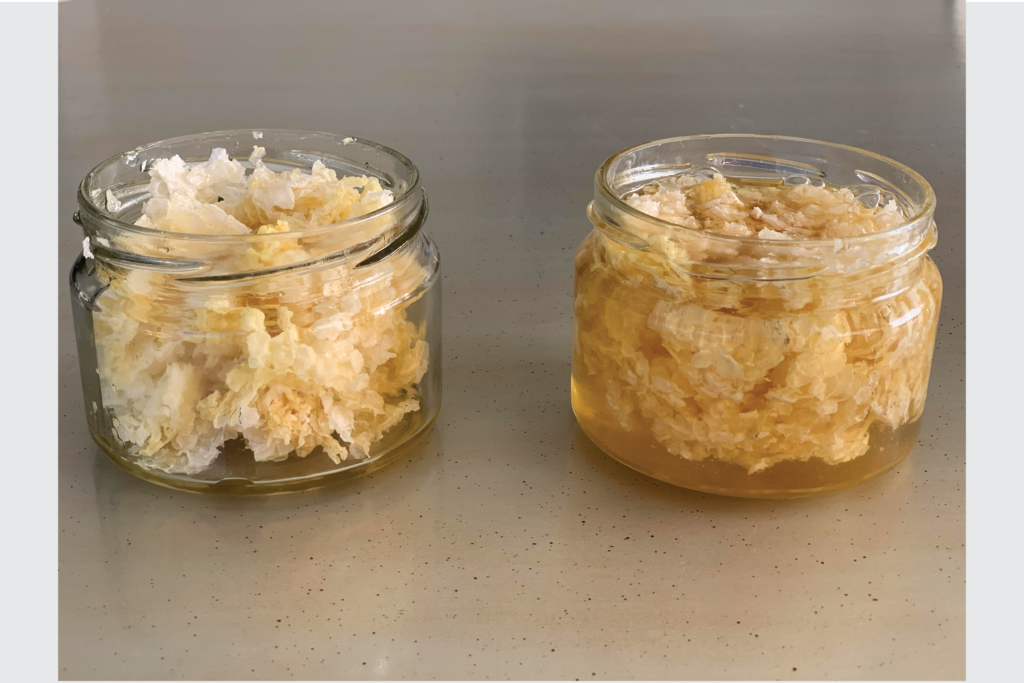
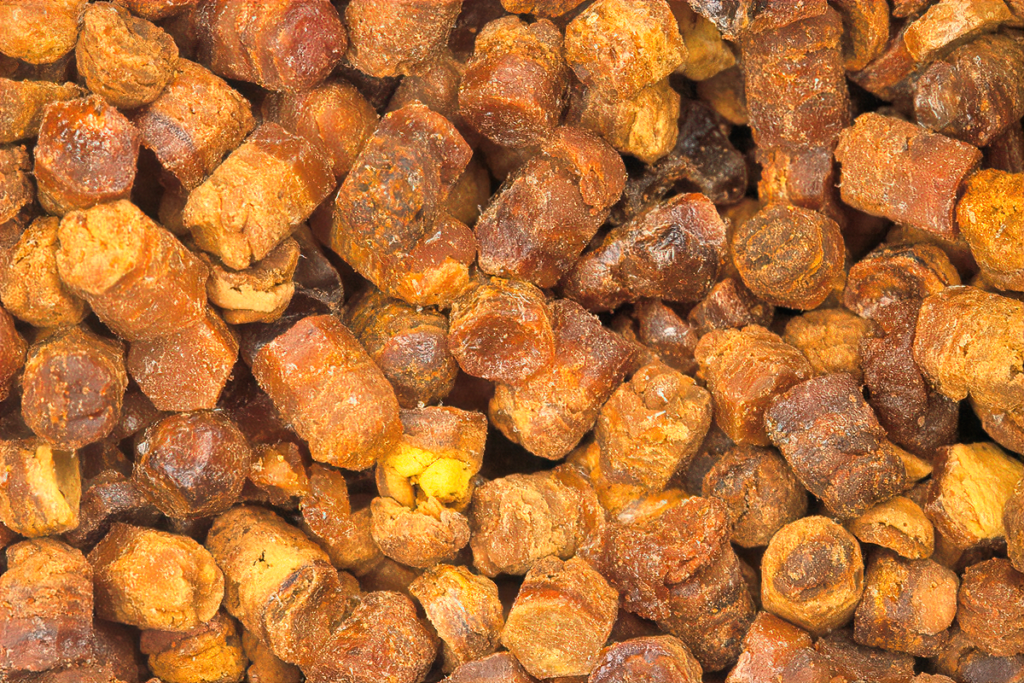
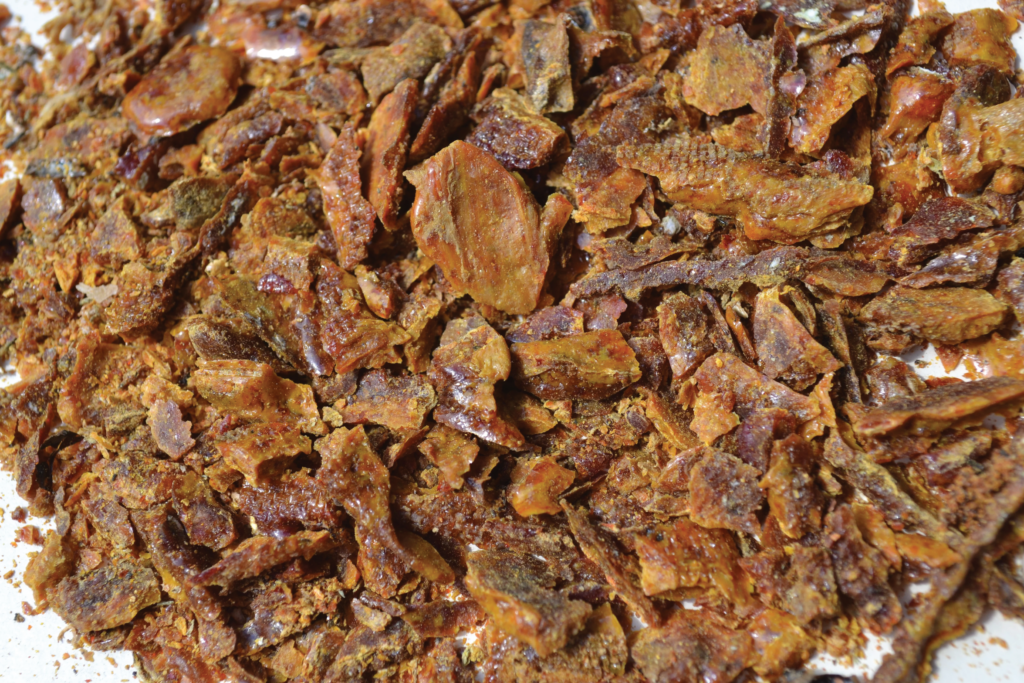
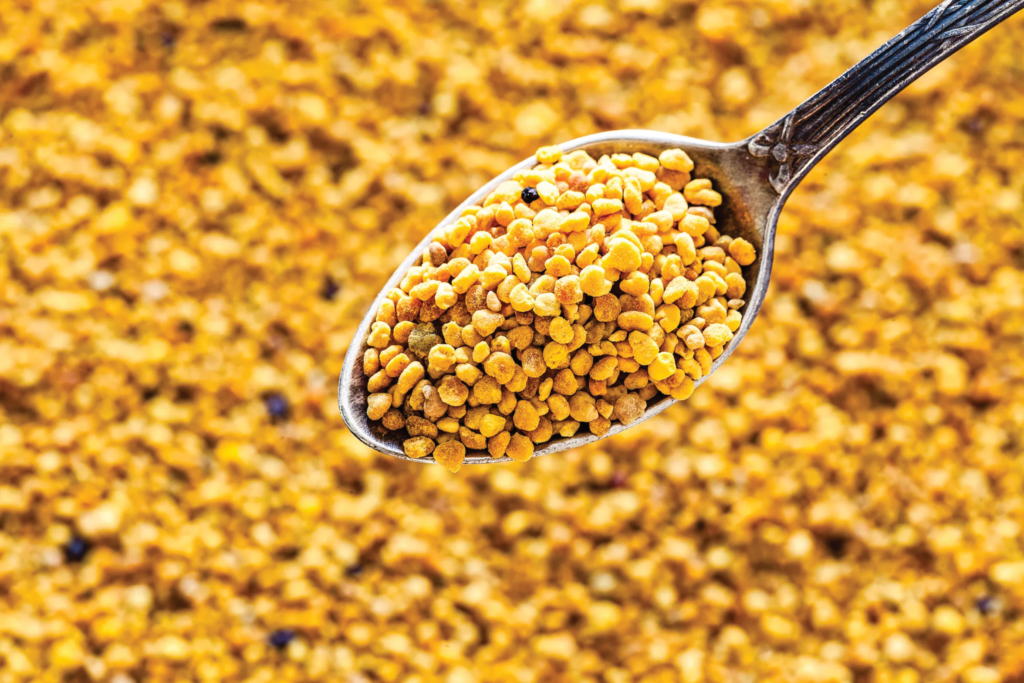
5 most popular bee products
Žemiau pateikiami 5 populiariausi bičių produktai. Pasirinkę produkto pavadinimą galėsite pereiti į jo aprašymą ir sužinoti daugiau apie jo sudėtį, savybes, naudą bei kitą svarbią informaciją.
Natural bee products can be purchased in our shop.
Honey
Honey - What Is It?
Honey – one of the most popular bee products, known for its unique taste and nutritional value. It is a natural sweet product created by worker bees from nectar or plant sap. Honey is used as an energy source, natural sweetener, and immune booster.
Honey Composition:
The composition of honey can vary depending on the plant species and region, but it typically contains:
- Carbohydrates: fructose and glucose (approximately 70-80%) that provide energy.
- Water: about 15-20%.
- Vitamins: B-complex vitamins, vitamin C, and others.
- Minerals: calcium, magnesium, iron, zinc, phosphorus, and more.
- Amino Acids: small amounts, but essential for bodily functions.
- Antioxidants: Flavonoids and other compounds that help fight free radicals.
- Enzymes: Naturally occurring enzymes in honey aid digestion.
Health benefits of honey
Energy Source: Due to its high carbohydrate content, honey is an excellent source of energy, especially after physical activity or fatigue.
Immune System Support: Honey helps strengthen the immune system and increase resistance to infections.
Antioxidant Properties: Flavonoids and other compounds help combat free radicals and slow down aging processes.
Improves Digestion: Honey promotes healthy digestion and supports gut health.
Antibacterial Properties: Honey has natural antibacterial effects, helping to prevent infections and heal minor wounds.
Improves Sleep: Honey can help improve sleep quality, especially when consumed with warm water or tea before bedtime.
Soothes Cough and Sore Throat: Honey is a natural remedy for reducing cough and soothing sore throat.
How to Use Honey?
Honey can be consumed in various ways:
Directly: eat it by the spoonful or as a topping for bread, cereals, or other foods.
Sweeten Beverages: Dissolve honey in warm water, tea, juices, or other drinks.
As a Food Supplement: Use honey as a natural sweetener instead of sugar.
Topical Use: Apply honey to the skin to soothe minor irritations or wounds.
Recommended Dosage
Adults: 1-2 teaspoons per day.
Children: 1 teaspoon per day (not recommended for children under 1 year due to the risk of botulism).
Important to Know
Honey may cause allergic reactions, especially in people with bee product allergies.
Not recommended for children under 1 year due to the risk of botulism.
Consult a healthcare provider before consuming honey regularly, especially if you have chronic health conditions or take medications.
History and Uses of Honey
Honey has been valued for centuries for its taste and healing properties. It was used both as a food and a medicine. Today, honey continues to be widely used in traditional and alternative medicine as a natural way to boost health and improve overall well-being.
Honey is a wonderful natural bee product that can help improve overall health and provide the body with essential nutrients. It is especially valuable for those seeking natural ways to boost health and enhance their diet.
Ką apie medų sako mokslas?
Scientific research shows that natural honey contains various bioactive compounds, including antioxidants, enzymes, and phenolic compounds. These substances may contribute to antioxidant and antimicrobial effects. Studies also indicate that some types of honey may inhibit the growth of certain bacteria under laboratory conditions. Due to its composition, honey has long been studied in the fields of nutrition and natural health.
Scientific sources
Harvard Medical School – medaus poveikis peršalimo simptomams.
National Library of Medicine – medaus antioksidacinės savybės siejamos su fenoliniais junginiais ir flavonoidais.
ResearchGate – medus gali padėti mažinti kvėpavimo takų infekcijų simptomus, ypač kosulį.
Cleveland Clinic – medus gali padėti mažinti kosulį, raminti gerklę ir skystinti gleives
Beeswax
What is Beeswax?
Beeswax is a natural substance produced by worker bees in their body glands. It is used to build honeycombs, where the bee colony stores honey, propolis, and raises larvae. Beeswax is strong yet flexible and has many uses both in the beehive and in everyday human life.
Composition of beeswax
The composition of beeswax can vary depending on the bee species and region, but it generally includes:
Wax acids: Approximately 70-80% wax acids that provide structure and strength.
Carbohydrates: A small amount of sugars that provide energy.
Lipids: Natural fats that help maintain flexibility.
Minerals: Calcium, magnesium, iron, and more.
Vitamins: Small amounts of vitamins, especially A and D.
Antioxidants: Compounds that help protect against free radicals.
Benefits of beeswax
Skincare: like other bee products, beeswax is used in creams, balms, and lip balms due to its moisturizing and protective properties.
Antioxidant Properties: beeswax helps protect the skin from free radicals and slows down aging.
Reduces Inflammation: beeswax can help reduce skin inflammation and irritation.
Protective Barrier: it forms a natural protective layer on the skin, guarding against external environmental factors.
Hive Construction: beeswax is the main material for building honeycombs, where bees raise larvae and store honey.
Crafting and Handicrafts: beeswax is used for making candles, sculptures, and other artisanal products.
Uses of beeswax
Beeswax can be used in various ways:
Cosmetics: As a primary ingredient in creams, balms, and lip care products.
Handicrafts: For making candles, sculptures, and other decorative items.
Skin Care: Applied directly to the skin to form a protective layer.
Beekeeping: Used for making wax sheets for beehives.
Important to Know
Beeswax may cause allergic reactions, especially for those who are allergic to bee products.
Before using beeswax for skin care, it is recommended to perform an allergy test.
History and Uses of Beeswax
Beeswax has been valued for centuries for its versatility and beneficial properties. It was used in medicine, craftsmanship, and today it is widely used in cosmetics, skincare products, and as a natural candle-making material.
Beeswax remains a remarkable natural bee product that continues to outperform synthetic wax alternatives.
What does science say about beeswax?
Scientific studies show that beeswax is a natural product with protective and moisture-retaining properties. Research confirms that wax forms a protective layer that helps retain moisture and protects surfaces from external factors. Due to these properties, this bee product is widely used in cosmetics, skin care products, and natural homemade preparations. In scientific literature, it is also regarded as a safe and biocompatible natural material.
Scientific sources
ResearchGate – bičių vaško sudėtis, savybės ir pritaikymas medicinoje bei kosmetikoje.
ScienceDirect/Chandigarh University - bičių vaško sudėtis, savybės ir panaudojimas maisto, kosmetikos bei farmacijos srityse.
Bee bread
What is Bee Bread?
Bee bread is a natural bee product made by worker bees from pollen mixed with honey and bee saliva. This mixture is fermented and stored in honeycomb cells, where it becomes the main source of protein for the bee colony during winter. Bee bread is rich in valuable nutrients, beneficial for both bees and humans.
Bee Bread Composition
The composition of bee bread can vary depending on the region, plants, and bee species, but it typically includes:
Proteins: Approximately 20-30% proteins, essential for the health of both bees and humans.
Vitamins: A, B-complex (B1, B2, B6, B12), C, D, E, and K vitamins.
Minerals: Calcium, magnesium, iron, zinc, selenium, phosphorus, and more.
Amino Acids: All essential amino acids necessary for bodily functions.
Enzymes: Aid in digestion and nutrient absorption.
Antioxidants: Help combat free radicals and strengthen the immune system.
Health Benefits of Bee Bread
Immune System Support: The combination of vitamins, minerals, and antioxidants helps strengthen the immune system and increase resistance to infections.
Energy Source: Bee bread is an excellent energy source, especially after physical exertion or fatigue.
Improves Digestion: The enzymes in bee bread promote healthy digestion and support gut health.
Antioxidant Properties: Helps protect cells from oxidative stress and slows down the aging process.
Reduces Inflammation: Bee bread has anti-inflammatory properties that can help reduce inflammation in the body.
Enhances Physical and Mental Endurance: Regular consumption of bee bread may improve physical and mental performance, reduce fatigue, and boost concentration.
How to Consume Bee Bread?
Bee bread can be consumed in various forms:
Pure Bee Bread: it can be eaten on its own or mixed with yogurt, honey, or other favorite foods.
Bee Bread Powder: grind the bee bread in a coffee grinder and mix the powder into honey, yogurt, cottage cheese, salads, or a smoothie.
Bee bread infusion: pour one tablespoon of the product with lukewarm water and leave it for a few hours. Bee bread dissolved in water is more easily absorbed by the body.
After one month of use, it is recommended to take a one- or two-week break.
Recommended Dosage
For adults bee bread is best consumed in the morning or during the first half of the day:
* For preventive purposes adults can consume up to 20 grams of bee bread per day.
* For therapeutic purposes, the daily dose may be doubled.
Children older than 3 years can consume from a few granules up to about 10 g per day. Start with one granule per day and observe whether any signs of an allergic reaction appear.
Course of use
1–3 months, followed by a break.
Bee bread storage conditions
Bee bread should be stored in airtight containers, in a cool, dark place.
Important to Know
Bee bread may cause allergic reactions, especially for those allergic to bee products.
Before starting regular bee bread consumption, consult a healthcare provider, especially if you have chronic health conditions or take medication.
History and Uses of Bee Bread
Bee bread has been valued for centuries for its nutritional and healing properties. Today, it is widely used in both traditional and alternative medicine as a natural way to boost health and improve overall well-being.
Bee bread is a remarkable natural bee product that can help improve health and provide essential nutrients. It is particularly beneficial for those seeking natural ways to strengthen their health and enhance their diet.
What does science say about bee bread?
Scientific research shows that bee bread is a fermented bee product rich in proteins, amino acids, vitamins, and antioxidants. During fermentation, pollen becomes easier to digest, allowing the body to better absorb the nutrients it contains. Laboratory studies indicate that bee bread exhibits antioxidant and potential anti-inflammatory properties. However, scientists emphasize that some studies are still conducted in laboratories and with animals, so broader clinical studies involving humans are needed.
Scientific sources
National Library of Medicine – bičių duonelės sudėtis, bioaktyvios medžiagos ir funkcinės savybės
MDPI - bičių duonelės antioksidacinės ir antimikrobinės savybės bei bioaktyvūs junginiai.
ScienceDirect - bičių duonelės sudėtis, biologinis poveikis ir pritaikymas mityboje bei medicinoje.
Springer Nature - bičių duonelės baltymų ir antioksidantų poveikis bičių organizmui.
Propolis
What is Bee Propolis?
Bee propolis, also known as bee glue, is a natural product created by bees and has been known for centuries for its medicinal properties. It is a sticky, resinous substance collected by worker bees from plant buds, bark, and other parts of plants, then mixed with bee saliva and wax. Propolis is used to seal gaps in the hive, protect against diseases and pests, and also serves as a valuable product for human health. It has strong antibacterial, antiviral, and antifungal properties, making it a natural protective mechanism. People use propolis as a dietary supplement or for topical applications due to its medicinal qualities.
Propolis Composition
The composition of propolis can vary depending on the region, plants, and bee species, but it typically includes:
Plant resins and gums (50-70 %)
Beeswax (30-50 %)
Essential oils (5-10 %)
Bee pollen (5-10 %)
Vitamins and minerals: A, B, C, E vitamins, zinc, magnesium, iron, and more.
Flavonoids: Natural antioxidants that boost the immune system.
Amino Acids: Essential amino acids necessary for bodily functions.
Propolio nauda sveikatai
Immune System Support: Propolis helps strengthen the immune system, increasing resistance to infections and viruses.
Antibacterial Properties: Effective against bacteria, viruses, and fungi.
Antioxidant Properties: Flavonoids and other compounds help combat free radicals and slow down aging processes.
Reduces Inflammation: Propolis can help decrease various types of inflammation in the body, including skin and digestive issues.
Skin HealthApplied topically, propolis can aid in healing wounds, abscesses, and even minor burns.
Improves Digestion: Propolis can help regulate digestion and alleviate symptoms of gastrointestinal problems.
How to Use Propolis?
Propolis can be consumed in various forms:
Propolis Tincture: Typically used as a dietary supplement. A few drops can be added to water, tea, or honey.
Propolis Capsules: A convenient way to take propolis as a supplement.
Propolis Extract: Used as a supplement or for topical use.
Propolis Ointment or CreamUsed externally to help treat skin problems.
Raw Propolis: Can be chewed directly or used as a food additive.
Recommended Dosage
Tinktūra: 5-10 drops, mixed with water or tea, 1-2 times per day.
Capsules: Follow the manufacturer’s instructions, typically 1-2 capsules per day.
Topical Use: Apply directly to the affected skin area 1-2 times per day.
Important to Know
Propolis may cause allergic reactions, especially for people allergic to bee products or tree resins.
Before using propolis regularly, consult a healthcare professional, especially if you have chronic conditions or take medications.
Propolio istorija ir naudojimas
Propolis jau senovės Egipte, Graikijoje ir Romoje buvo naudojamas kaip gydomoji priemonė. Jis buvo vertinamas dėl savo antiseptinių ir gydomųjų savybių. Šiandien šis bičių produktas plačiai naudojamas tiek tradicinėje, tiek alternatyviojoje medicinoje kaip natūralus būdas stiprinti sveikatą.
Bičių propolis yra nuostabus natūralus bičių produktas, kuris gali padėti pagerinti bendrą sveikatą ir apsaugoti nuo įvairių ligų.
Ką apie propolį (bičių pikį) sako mokslas?
Propolis – tai dervinė medžiaga, kurią bitės surenka iš augalų sakų ir naudoja avilio apsaugai. Moksliniai tyrimai rodo, kad propolyje aptinkama daug biologiškai aktyvių junginių, tokių kaip flavonoidai ir fenolinės medžiagos. Dėl šios sudėties propolis pasižymi antibakterinėmis, antivirusinėmis ir priešuždegiminėmis savybėmis. Todėl jis yra vienas dažniausiai mokslininkų tiriamų bičių produktų, kai kalbama apie jų biologines savybes.
Scientific sources
National Library of Medicine
https://pmc.ncbi.nlm.nih.gov/articles/PMC6893770/
https://pmc.ncbi.nlm.nih.gov/articles/PMC9504311/
ScienceDirect
https://www.sciencedirect.com/science/article/pii/S1756464625003780
Cleveland Clinic
https://health.clevelandclinic.org/propolis
MPDI
https://www.mdpi.com/1422-0067/26/4/1519
University of Bradford
Bee pollen
What is Bee Pollen?
Bee pollen is a natural product collected by bees, which is highly valuable for both bee and human health. These tiny granules are gathered by worker bees from flower blossoms and carried to the hive. Bee pollen is not only food for bees but also a nutritious superfood for humans, rich in proteins, vitamins, minerals, and antioxidants.
Bee Pollen Composition
The composition of bee pollen can vary depending on the plant species and region, but it typically contains:
Proteins: Approximately 20-30% proteins, essential for both bees and human bodies. Bee pollen contains 5-7 times more amino acids than beef and eggs, and it also contains nucleic acids and nucleoproteins, as well as about 20% plant-based fats.
Vitamins: A, B1, B2, B6, C, D, E, and K vitamins.
Minerals: Calcium, magnesium, iron, zinc, selenium, and more.
Amino Acids: All essential amino acids necessary for bodily functions.
Antioxidants: Flavonoids and other compounds that help fight free radicals.
Carbohydrates: A source of energy.
Health Benefits of Bee Pollen
Immune System Support: Due to its rich vitamin and mineral content, bee pollen helps strengthen the immune system and boost resistance to infections.
Energy Source: Bee pollen is an excellent source of energy, especially beneficial after physical activity or fatigue.
Antioxidant Properties: Helps protect cells from oxidative stress and slows down the aging process.
Improves Digestion: Bee pollen promotes healthy digestion and supports gut health.
Reduces Inflammation: Due to its anti-inflammatory properties, bee pollen can help reduce various inflammatory processes in the body.
Enhances Physical and Mental Endurance: Regular consumption of bee pollen may improve physical and mental performance, reduce fatigue, and boost concentration.
How to Use Bee Pollen?
Bee pollen can be consumed in various forms:
Pure Bee Pollen: Can be chewed directly or added to food.
Bee Pollen Powder: Can be mixed into smoothies, yogurt, or other foods.
Recommended Dosage
Pure Bee Pollen: 1-2 teaspoons per day.
Powder: 1-2 teaspoons mixed into food or drink.
Important to Know
Bee pollen may cause allergic reactions, especially for those allergic to bee products or pollen.
Before starting regular bee pollen consumption, consult a healthcare provider, especially if you have chronic health conditions or take medication.
History and Uses of Bee Pollen
Bee pollen has been valued since ancient times for its nutritional and healing properties. Today, it is widely used in both traditional and alternative medicine as a natural way to boost health and improve overall well-being.
Bee pollen is a remarkable natural bee product that can help improve health and provide essential nutrients. It is especially beneficial for those seeking natural ways to strengthen their health and enrich their diet.
What does science say about bee pollen?
Scientific research shows that bee pollen is a rich natural source of nutrients, containing proteins, vitamins, minerals, and antioxidants. These bioactive substances may help neutralize free radicals and reduce oxidative stress in the body. Some laboratory and animal studies indicate possible anti-inflammatory and immune-supporting effects. However, scientists emphasize that more large-scale clinical studies are needed to confirm these effects in humans.
Scientific sources
National Library of Medicine
https://pmc.ncbi.nlm.nih.gov/articles/PMC8230257/
MDPI
https://www.mdpi.com/2072-6643/15/10/2413
Wiley Online Library